Travel report on the 2025 Winter School at the University of Havana in Cuba.
From December 8 to 12, 2025, I was a visiting professor at the University of Havana as part of the third Winter School. The Winter School, led by Prof. Dagniselys Toledano (University of Havana) and Dr. Renate Pirstner-Ebner, was organized by the Research Center for Climate Law Graz (ClimLaw: Graz), the Institute for International Law and International Relations, and the Faculty of Law at the University of Havana.
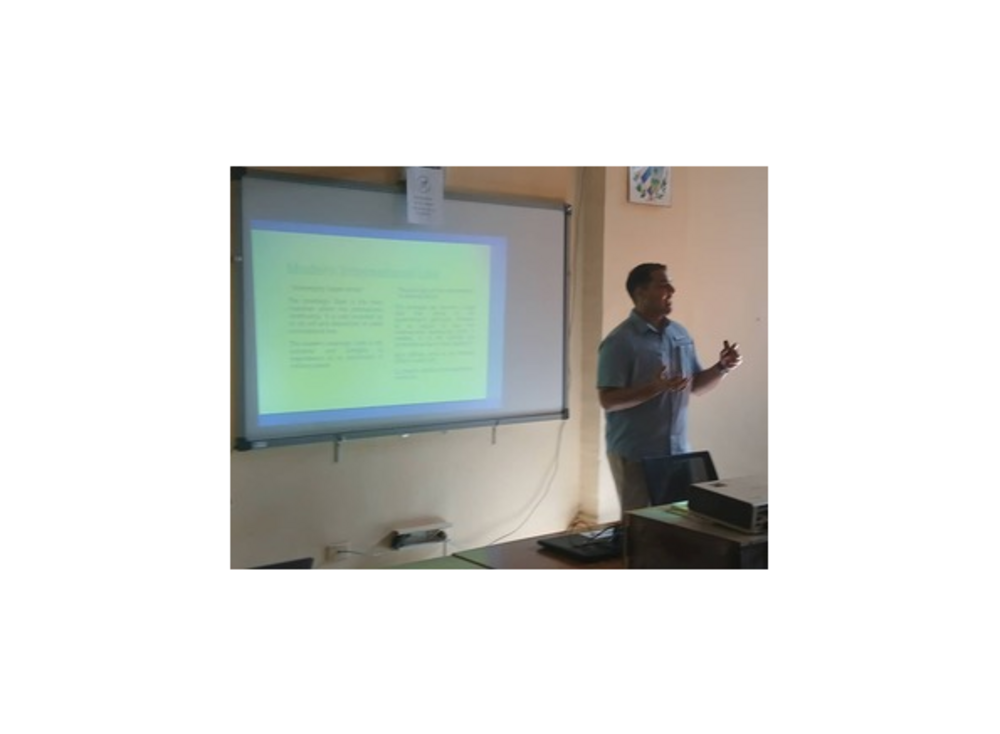
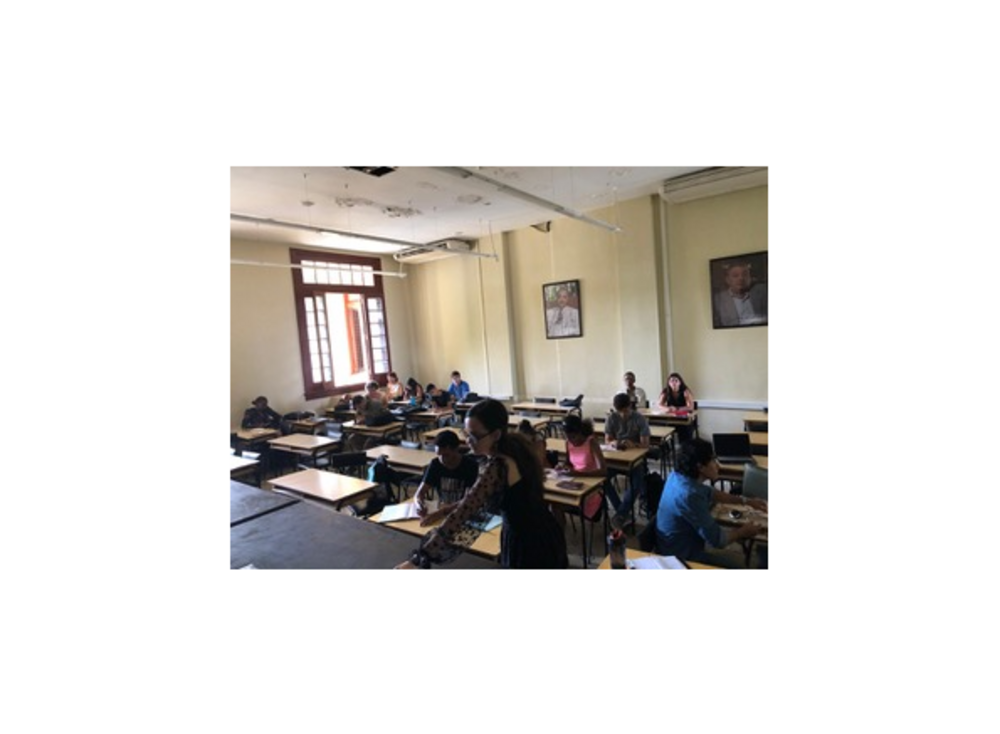
The theme of this year's Winter School was "International, European and Cuban Law and Climate Litigation." In a five-day intensive seminar, a wide range of topics were taught and discussed with the young Cuban professors Jean Alberto, Sheyla Val, Amanda Alvarez, and Cosette Ramos. This year's topics included the advisory opinion of the International Court of Justice on climate change (July 2025), the advisory opinion of the International Tribunal for the Law of the Sea on climate change (May 2024), as well as standing to sue, victim status, extraordinary jurisdiction and the violation of Art 6 and Art 8 ECHR (among others ECHR-case Klimaseniorinnen/Switzerland 2024) in the context of climate change and the European Convention on Human Rights.
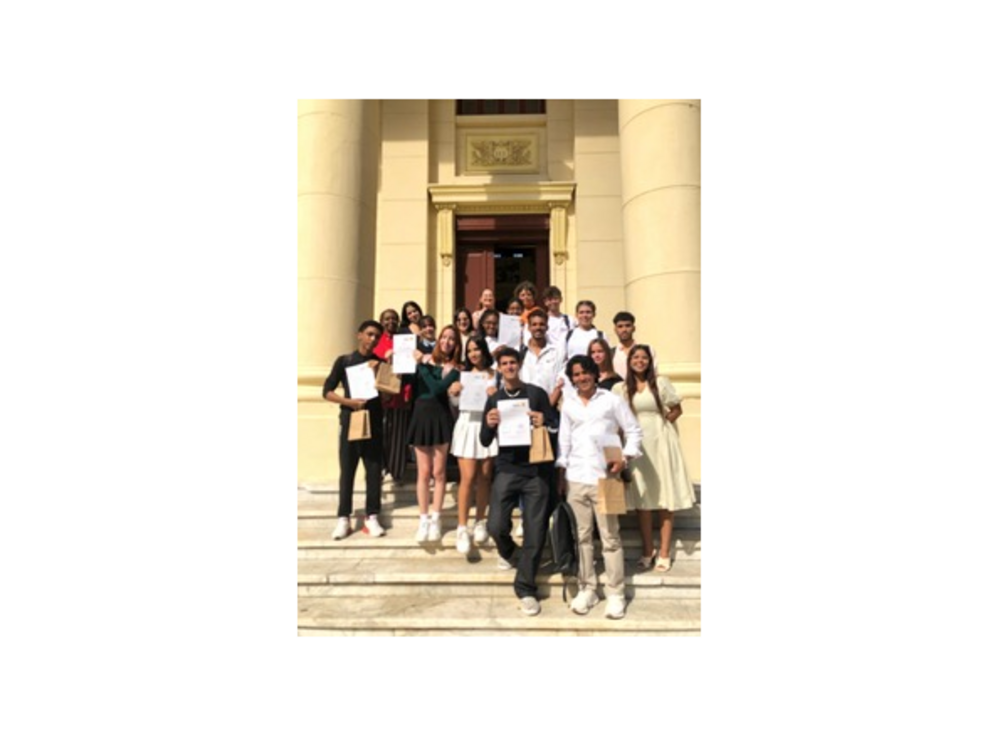
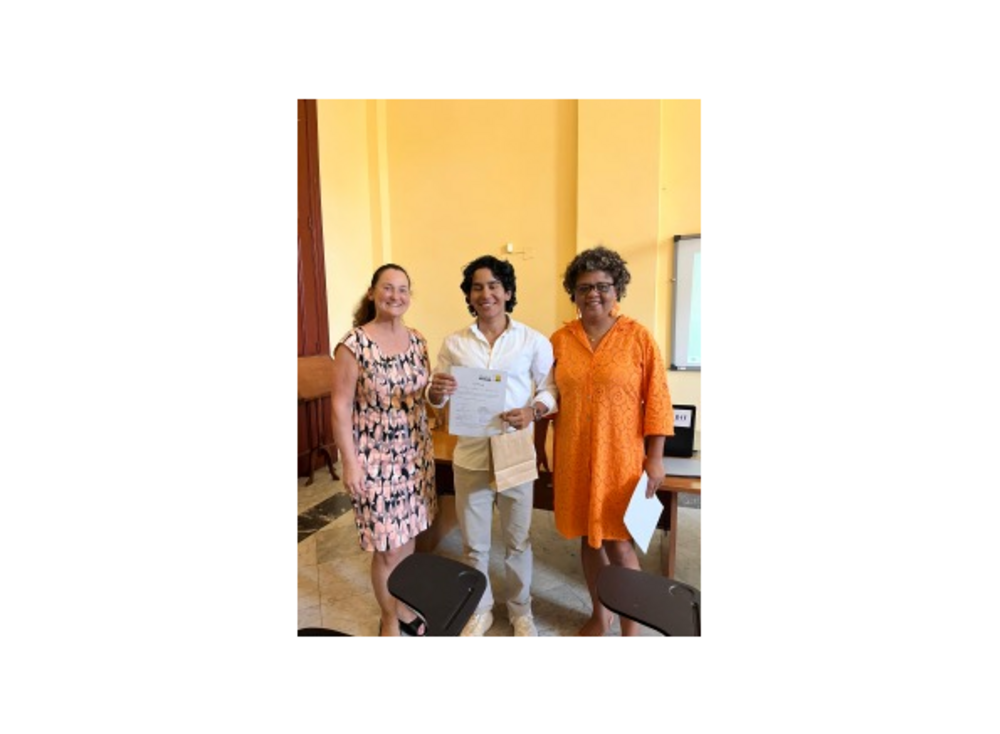
The Cuban students were wonderful and very inquisitive, and all of them achieved excellent results.
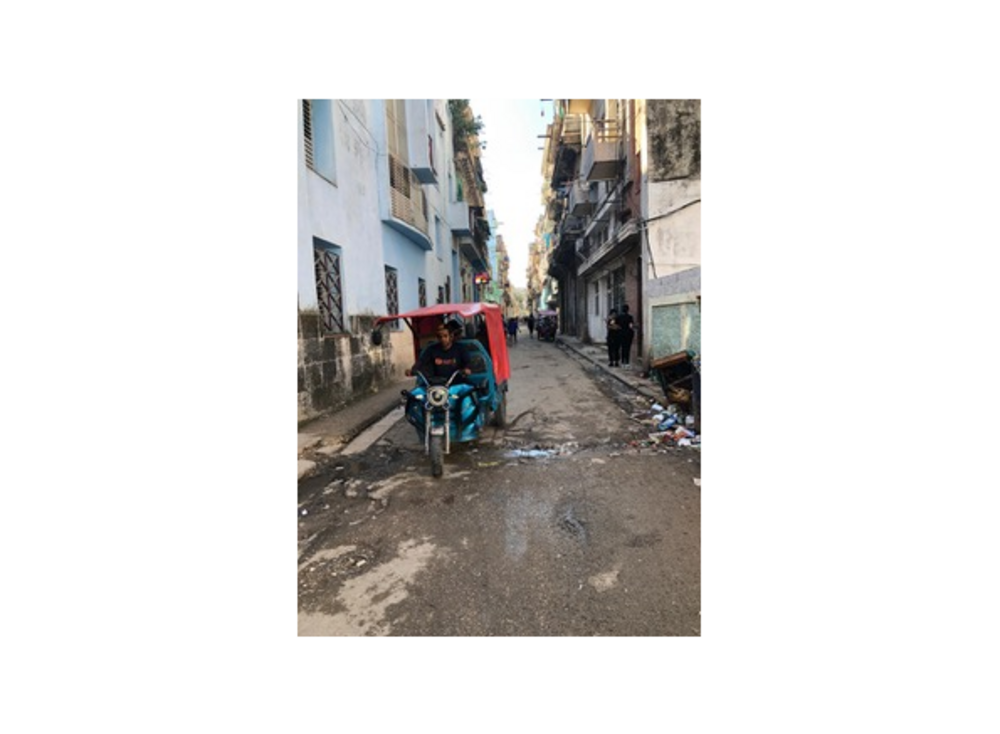
I managed to learn about a significant part of Havana's history in just one week. Havana and all of Cuba have so much to offer, and I hope to return to continue my explorations.
At the beginning of February, a young Cuban legal scholar from the University of Havana will be conducting research at the University of Graz for five months. I am already looking forward to seeing my colleague again. She will also be giving a guest lecture on Cuban law in my "International Environmental Law" course, and I would like to extend an invitation to all interested students. Details will be announced on our website under "News" in March 2026.
Associate Professor Dr. Yvonne Karimi-Schmidt, December 17, 2025